The Secret Dangers of Plastic Cutting Boards and Safer Bamboo Alternatives
- Share
- Issue Time
- Dec 11,2025
Summary
Discover the secret dangers of plastic cutting boards including bacteria\, microplastics\, and chemical risks plus safer wood and bamboo alternatives.
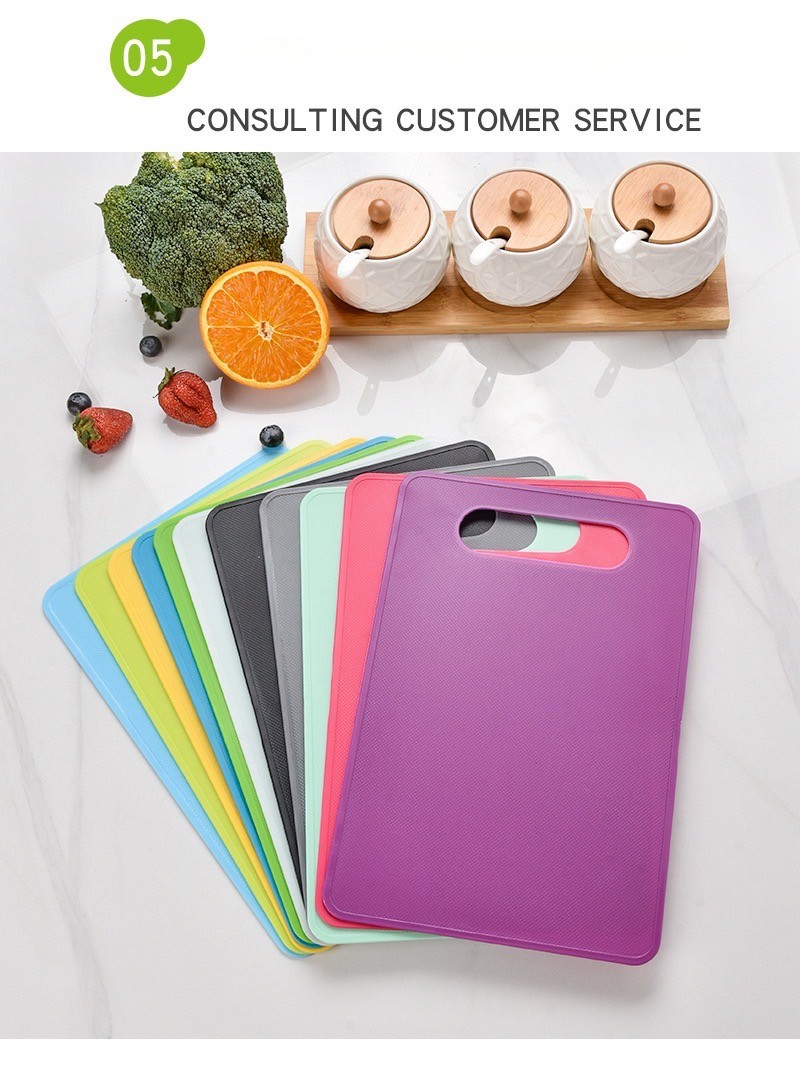
The Hidden Health Threat: Literally Eating Your Cutting Board
Did you know that every time you chop on a plastic cutting board, you might be consuming tiny bits of it? That's right—knife use sheds thousands of microplastics annually right into your food. These microscopic plastic particles are completely invisible to the eye but can add up over time, posing unknown health risks.
How microplastics get into your food:
Cutting and slicing wear down the board's surface
Knife blades scrape off minuscule plastic flakes
These particles mix directly with your fruits, veggies, and meat
A recent study found that a single plastic cutting board can release thousands of microplastic particles each year, making eating off these surfaces a hidden health concern many overlook.
Plastic vs. alternative cutting boards
| Feature | Plastic Cutting Board | Wood/Bamboo Cutting Board |
| Microplastic release | High — due to plastic shedding | None — natural material |
Knife wear impact | Damages and sheds thousands of particles annually | Minimal surface damage, no shedding |
| Health concerns | Potential microplastic ingestion | Lower risk of microplastic contamination |
| Environmental impact | Non-biodegradable, plastic waste | Renewable, biodegradable |
Switching to wood or bamboo boards can significantly reduce microplastic contamination during food prep. They wear differently, creating natural cuts instead of shedding plastic particles you end up eating.
Keeping microplastics out of your meals starts with choosing the right cutting board. It's a simple upgrade with serious health benefits.
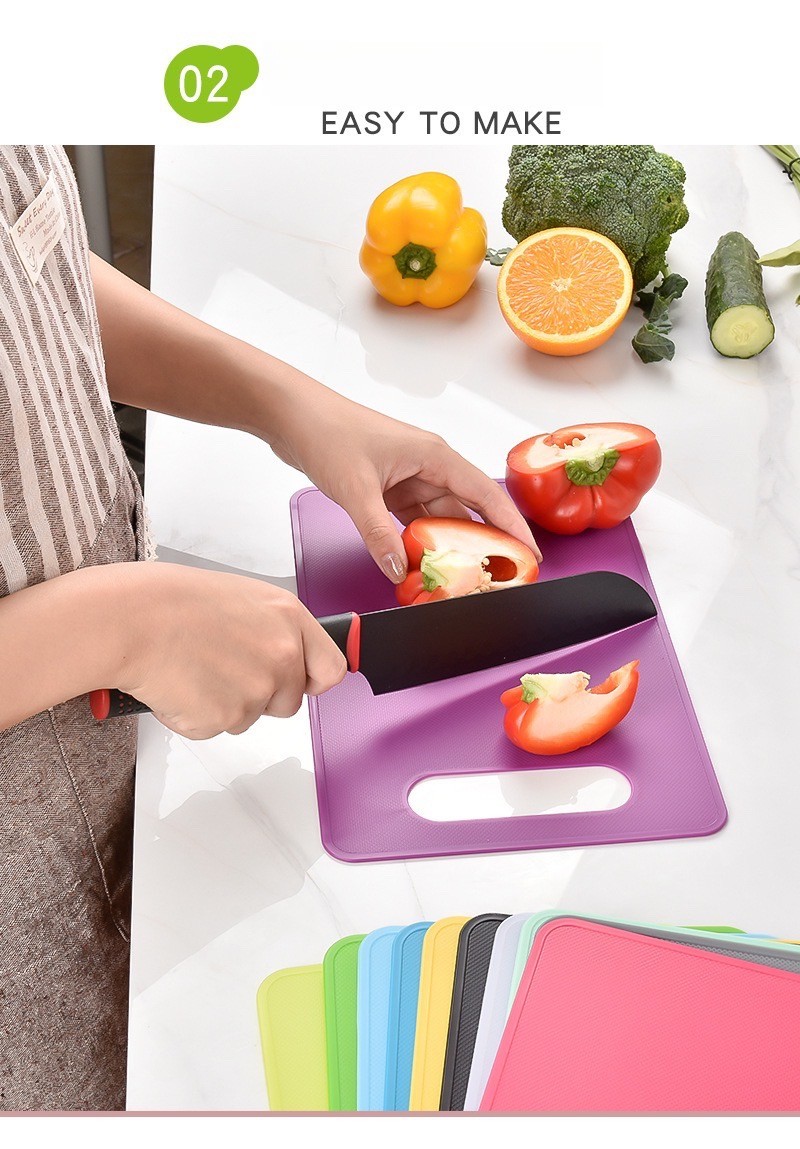
Bacteria Nightmares: Why Plastic Cutting Boards Are Harder to Sanitize Than You Think
Many people believe plastic cutting boards are more hygienic because they're easier to clean, but that's not the full story. Knife cuts and grooves in plastic boards can trap harmful bacteria like Salmonella, E. coli, and Listeria. These germs hide deep in the tiny cracks, making thorough cleaning almost impossible, even with soap and hot water.
Unlike plastic, which can develop harder-to-clean scratches over time, some alternative materials naturally resist bacterial buildup. This hidden issue with plastic boards increases the risk of cross-contamination in your kitchen, especially if you're prepping raw meats. To keep your kitchen safer, you need to regularly inspect your plastic boards for deep grooves and consider switching to better options.
For those still using plastic, upgraded designs like non-slip and easy-pour boards can help reduce some risks—check out this range of non-slip cutting boards designed for safer food prep.
Health Risks of Plastic Cutting Boards
Plastic cutting boards can be a hotspot for bacteria, leading to serious cross-contamination in home kitchens. Tiny knife grooves trap harmful pathogens like Salmonella, E. coli, and Listeria, which survive even after washing. This makes it easy for bacteria to spread from raw meat or poultry to other foods, raising your risk of foodborne illness.
It's crucial to replace plastic boards as soon as they become deeply scored or heavily stained. These cracks provide perfect hiding spots for germs that regular cleaning can't reach. Also, if your board warps or retains odors, it's usually a sign that bacteria have taken hold.
When to replace your plastic cutting board:
Deep knife grooves visible to the naked eye
Persistent foul odors after cleaning
Surface warping or discoloration
Frequent use with raw meat or poultry without thorough sanitation
To keep your kitchen safer, avoid using damaged plastic boards and invest in boards designed for durability and better hygiene. For an eco-friendly upgrade, consider alternatives that resist bacteria better over time. You can explore options like the Multifunctional cutting board set for safer kitchen prep.
Chemical Leaching and Heat Damage
One of the lesser-known dangers of plastic cutting boards is chemical leaching. Over time, plastic boards can release harmful substances like BPA and phthalates, which are known endocrine disruptors. These chemicals may interfere with your hormones, causing health concerns, especially when ingested regularly.
Heat speeds up this process. Using plastic cutting boards in the dishwasher or exposing them to high temperatures can cause more chemicals to leach into your food. Plus, heat can damage the board itself—leading to warping, stains, and persistent odors that are tough to remove. These durability issues not only affect the board’s lifespan but also make it harder to keep clean, increasing the risk of contamination. For safer kitchen tools, considering alternatives or specialized products like sturdy kitchen plastic cutting boards designed to resist heat damage is a smart move.
Microplastic Contamination and Emerging Health Risks
Using plastic cutting boards means tiny plastic particles—microplastics—shed into your food and kitchen environment every time you chop. These microplastics don't just stay on your board; they can enter the food chain and eventually end up in wastewater. Studies suggest this could lead to issues like inflammation, hormonal disruptions, and even changes to your gut microbiome.
Kids and frequent cooks face higher exposure because they're around these particles more often. Over time, this constant intake might affect overall health, making plastic cutting boards a hidden concern beyond just surface cleanliness.
For safer kitchen prep, consider alternatives that reduce microplastic contamination while still offering durability and convenience. If you're curious about plastic options with less risk, check out this plastic cutting board with juice groove designed to balance hygiene and functionality better.
Wood vs Plastic Cutting Boards: Evidence-Based Comparison
When it comes to cutting boards, wood and plastic each have pros and cons, but evidence shows wood often comes out ahead—especially for hygiene and durability.
Natural Antimicrobial Properties
Wood, especially hardwoods and bamboo, naturally resists bacteria better than plastic. Studies show wood surfaces can kill pathogens faster, reducing risks from Salmonella or E. coli trapped in knife grooves—something plastic boards struggle with.
Durability and Knife-Friendliness
| Feature | Wood/Bamboo | Plastic |
| Knife-edge friendliness | Gentle, preserves sharp knives | Harder surface, dulls knives faster |
| Lifespan | Years with proper care | Often shorter; prone to deep cuts |
| Durability | Resistant to warping and cracking | Can warp or crack with heat/dishwasher |
Wood boards also tend to heal minor cuts themselves, further extending their life and maintaining a smoother surface that's easier to clean.
Environmental Impact
From a sustainability standpoint, wood and bamboo cutting boards win hands down. They're renewable and biodegradable, unlike plastic boards that add to landfill waste and microplastic pollution.
If you're considering an upgrade, take a look at high-quality options like Chopaid dishwasher-safe wooden cutting boards that combine wood's natural benefits with modern durability.
Premium Durability and Performance of Wood Cutting Boards
Wood cutting boards stand out for their premium durability and long-lasting performance in the kitchen. Unlike plastic boards, wood naturally resists warping and cracking, even after heavy use. This toughness means you won’t have to replace your board as often, saving money and reducing waste in the long run.
One key advantage of wood is its excellent odor retention properties—unlike plastic, which tends to hold onto smells from garlic, onions, or fish. Wood naturally absorbs and dissipates odors, keeping your cutting surface fresh for longer.
When it comes to heat resistance, wood boards clearly outperform plastic. Plastic cutting boards often warp or become damaged when exposed to high heat or dishwasher cycles. Wood can handle heat much better without losing shape or performance, making it safer and more reliable.
| Feature | Wood Cutting Boards | Plastic Cutting Boards |
| Warping & Cracking | Highly resistant | Prone to warping & cracking |
Odor Retention | Low (natural absorption) | High (retains odors) |
| Heat Resistance | High | Low (warps with heat) |
| Longevity | Long-lasting | Shorter lifespan |
For those seeking durable kitchen cutting boards with superior resilience and no odor issues, wood is a proven choice. Investing in a quality wood board like those from Calmchop means you get performance that lasts, combining function and style gracefully.
Learn more about durable options at Chopaid's engineered wooden boards designed to resist warping and odor retention.
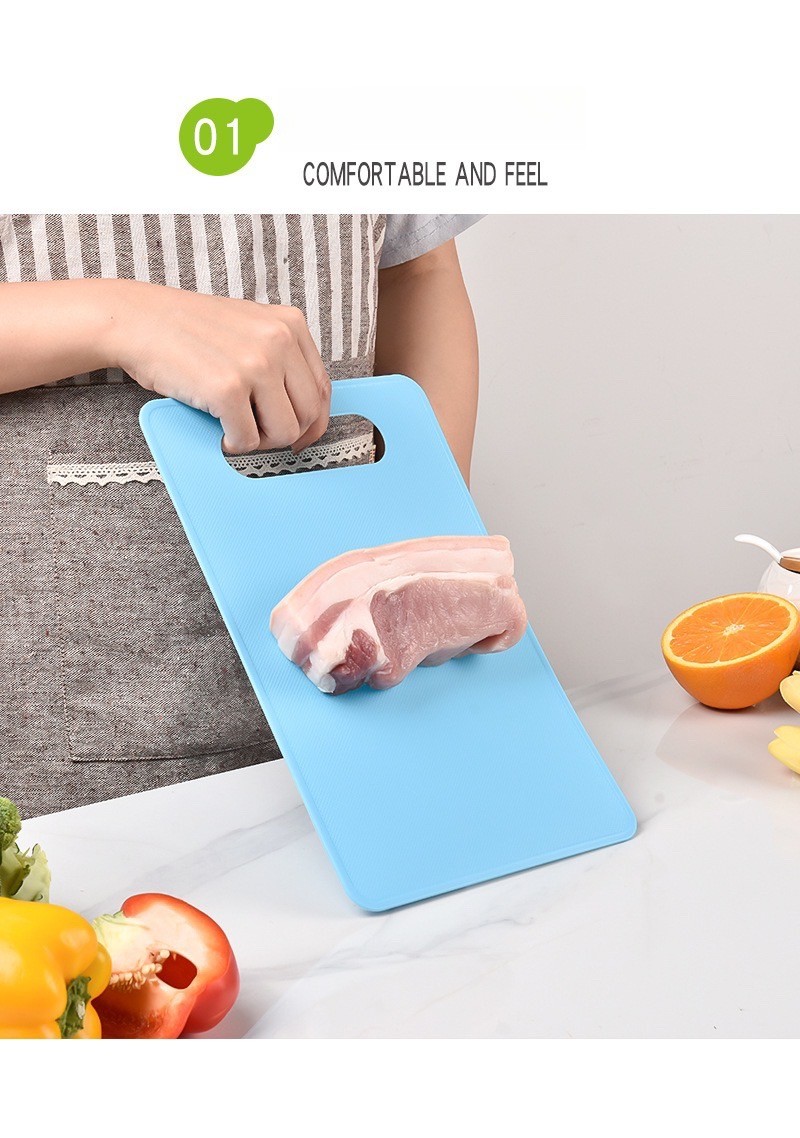
Why Chopaid Wooden Cutting Boards Are the Smart Upgrade
Chopaid wooden cutting boards stand out as a smart upgrade for anyone looking to ditch plastic and invest in long-lasting, high-quality kitchen tools. These boards are specially engineered to be dishwasher safe, which is rare for wood cutting boards, making cleanup a breeze without worrying about damaging the surface. They also offer impressive heat resistance, so you don't have to stress about warping or cracking when exposed to typical kitchen temperatures.
One big plus of Chopaid boards is their natural ability to retain odors and flavors far better than plastic boards, meaning your food tastes just right without any leftover smells from previous cuts. Minor knife cuts tend to self-heal over time, keeping the board looking fresh and reducing the chance of bacteria hiding in grooves.
Beyond performance, Chopaid boards bring a beautiful, natural aesthetic to your kitchen. They combine durability with style, giving you a cutting board that not only works great but looks great too. For those wanting to upgrade from plastic, Chopaid wooden cutting boards offer a reliable, eco-friendly, and hygienic option that fits well into any modern American home kitchen.
Check out the non-slip cutting board collection for Chopaid's innovative designs combining safety and style.
How to Transition Safely and What to Do With Old Plastic Boards
Switching from plastic to wood cutting boards is a smart move for your health and kitchen, but it's important to do it right. First, know when to retire your plastic board—if it's deeply scarred, stained, warped, or has strong odor retention, it's time to replace it. These damaged boards trap bacteria and microplastics, increasing health risks.
When it's time to dispose of old plastic boards, don't just toss them in the trash. Look for local recycling programs that accept kitchen plastics—or check out guides like how to choose recyclable plastic cutting boards for eco-friendly disposal ideas. This helps reduce landfill waste and supports sustainable kitchen habits.
Choosing the right Chopaid board for your kitchen makes a difference. Chopaid offers various sizes and styles designed for durability and heat resistance—perfect upgrades for a cleaner, safer food prep area. Their boards are engineered to resist warping and odor retention, unlike many plastic options, making them a reliable long-term choice.
To keep your wooden Chopaid board in top shape:
Clean promptly with mild soap and warm water—avoid soaking.
Oil regularly with food-safe mineral oil to prevent drying and cracking.
Store properly in a dry, ventilated spot away from direct heat or sunlight.
Avoid harsh dishwashers unless your Chopaid model specifies it's safe.
Following these tips will keep your wood cutting board lasting longer, maintaining its antimicrobial advantages and premium durability for years to come.
If you have interested in any cutting board, please feel free to contact sales@chopaid.com at any time